Five connected workspaces for structured study, practical checking, and working reference.

Ransford's Notes brings courses, browser tools, diagram studios, GB energy explainers, and source-led updates into one route structure so study, reference work, and practical checking remain connected. Core learning stays open without an account, with sign-in used only when saved progress, pass history, and preferences are useful.

5 workspaces
41 browser tools
220+ hours of content

Browse workspaces
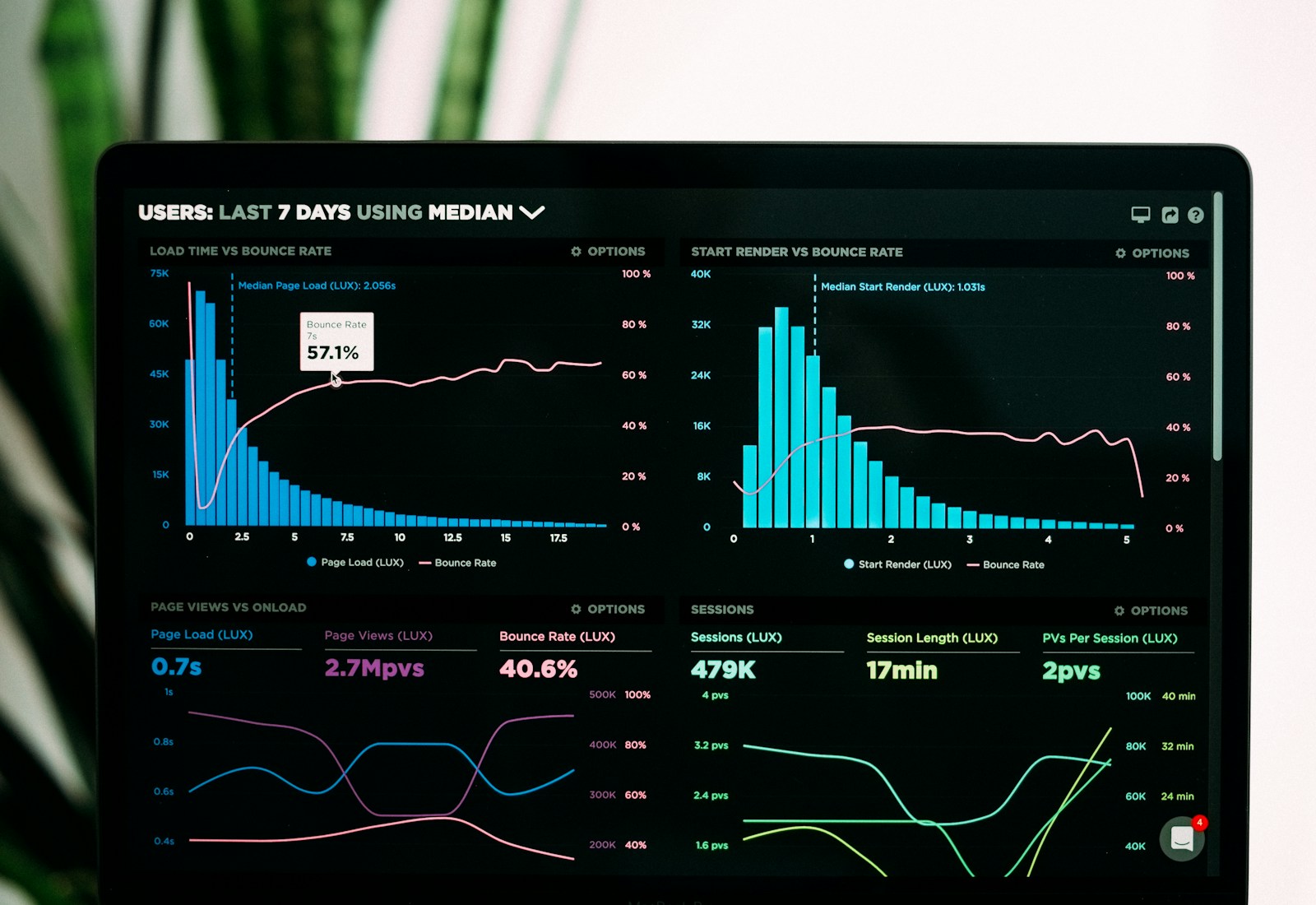
Laptop displaying code on a bright desk in a working study setup.

Why This Exists

A note on the thinking behind the site, the work it reflects, and why I built it.

Welcome to Ransford’s Notes.

I’m Ransford, and I work across the GB energy sector as a Senior Manager for Data and Digitalisation. To me, data and digitalisation are above all strategic disciplines. They are about setting a clear direction, aiming at the right outcomes, and making sure that data, governance, architecture, delivery, and accountability work together so the energy system becomes more coordinated, more transparent, and better able to serve present and future consumers.

In a sector as complex and interconnected as energy, digitalisation is not just about adopting new technology. It is also not the same as digitisation. Digitisation is the act of converting information or processes into digital form. Digitalisation is the wider organisational, operational, and cultural shift that follows: changing how people work, how decisions are made, how services are designed and delivered, how data is governed, and how institutions build the capability and discipline to use technology well.

At its core, digitalisation is also about culture. It depends on organisations being willing to work differently: to collaborate better across teams, to define ownership clearly, to challenge weak assumptions, to take governance seriously, and to use data and technology in ways that improve judgement rather than simply automate existing confusion. Without that shift, technology too often gets layered onto poor processes, fragmented systems, and unclear goals, creating more cost, risk, and noise rather than better outcomes.

That is why, done properly, digitalisation is not a technology programme in isolation. It is the disciplined work of creating the conditions for better decisions, better services, greater transparency, stronger resilience, and better long-term system outcomes.

In practice, that means evaluating digital architecture designs, thinking seriously about cyber security and resilience, asking whether data is credible, usable, and fit for purpose, and judging whether technologies, including AI, are being used in ways that create real value rather than extra cost, risk, or fragmentation.

It also means challenging weak assumptions. A good example is when organisations hire AI engineers before they have worked out their strategy, architecture, or business purpose. In those situations, they often end up automating fragments of the existing system rather than delivering meaningful digitalisation or transformation. AI is not exceptional in that sense. It is one digital tool among many, and its value depends on whether it sits inside a coherent strategic, architectural, governance, and operating framework.

This is where I turn my notes into useful tools.

I built this site to turn technical knowledge into tools, models, and guidance that professionals, teams, businesses, and institutions can actually use.

Over time, it has grown into something broader: structured courses, browser tools, working diagrams, a whole-system view of GB energy, and research and updates designed to be useful in practice.

It is also a practical record of how I think, what I build, and the kind of problems I like solving.

I hope you find something here that is useful.

If you do, I’d really appreciate your feedback. A review on Trustpilot or Google helps other people find the site and benefit from it too, and it is always encouraging to hear that the work has been useful. You can also follow along on LinkedIn.

If you have a question, spot an issue, or want to get in touch, I’d be glad to hear from you. You can message me on WhatsApp or email me using the details in the footer.

Thank you for visiting, and I hope you have a wonderful time exploring.

Modestandby

Courses

Study cybersecurity, AI, software architecture, data, digitalisation, and network models in a clear sequence instead of piecing the topic together yourself.

Use assessments, pass history, and CPD records to see what to revisit and what is already done.

CybersecurityAIArchitectureAssessments
Open Courses

Practice

Run Python, Regex, JavaScript, OmniCalc, and strategy games in the browser to test logic, plot graphs, solve maths, and check an idea without installing anything.

Useful when you want to verify an expression, compare outputs, prototype code, or sharpen thinking before you commit.

PythonRegexJavaScriptOmniCalcGames
Open Practice

Diagram

Turn prompts, code, Mermaid, D2, and PlantUML into diagrams you can refine on canvas, review with teams, and export for delivery work.

Useful for text-to-diagram, code-to-diagram, architecture reviews, system flows, and client-ready visuals.

Text to diagramCode to diagramMermaidPlantUMLD2
Open Diagram

GB Energy

Follow how rules, planning, operations, markets, consumers, and evidence feed into one another across the GB energy system.

Then go deeper into electricity, gas, hydrogen, heat, nuclear, CCUS, and interconnectors when you need the sector detail.

RulesMarketsNetworksHydrogenInterconnectors
Open GB Energy

Updates

Track CVEs, CISA KEV alerts, AI research, and UK policy changes from NVD, CISA, GOV.UK, and arXiv without checking each source by hand.

Use the live feed for urgent signals first, then keep digests only for the topics and cadence you want.

NVDCISA KEVAIGOV.UKarXiv
Open Updates